
Scam Alert
Bail Bond Phone Scam Breakdown
Imposters posing as law enforcement or bondsmen demand rushed digital payments. Here are the red flags and how to protect your family.
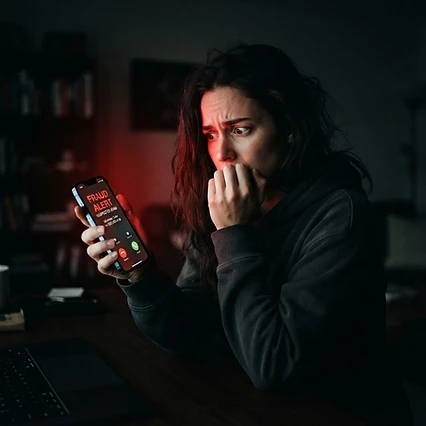
One particularly insidious scam making headlines recently involves imposters posing as law enforcement officers or bail bonds agents, demanding immediate payments for "bail" or related fees. Our goal with this post is to arm you with the knowledge to spot these scams and protect yourself and your loved ones.
This scam typically starts with an unsolicited phone call from someone claiming to be from a sheriff's office, jail, or even a bail bonds company. The caller often sounds urgent and authoritative, spinning a story that a family member—such as a child, grandchild, or spouse—has been arrested and needs bail money right away to be released. They might provide details like the alleged charge (e.g., DUI, minor infraction) to make it seem legitimate.
To add pressure, scammers insist on quick payment through untraceable methods like Venmo, Zelle, Cash App, or gift cards. In some cases, they even spoof phone numbers to appear as if they're calling from a real government office or use the names of actual staff members to build credibility.
In recent alerts from November 2025, authorities in Burke County and Brunswick County, North Carolina, warned residents about callers impersonating deputies who claim you've missed a court date or have an arrest warrant, then demand payment for "bail" or "fines." Similarly, in Dare County, scammers have been posing specifically as bail bondsmen.
The scammers' goal? To get you to send money before you have a chance to verify the story. Once the funds are transferred, they're gone for good, and your loved one was never in trouble to begin with.
Red Flags to Watch For
- Unsolicited Calls with Urgency: Legitimate bail bonds or law enforcement won't cold-call you demanding immediate payment.
- Requests for Digital or Non-Traditional Payments: No sheriff's office or reputable bail bonds company will ask for money via apps like Zelle, Venmo, or Cash App.
- Pressure Tactics: Scammers create panic by saying "act now or your loved one stays in jail." They might forbid you from telling others or hanging up to check facts.
- Spoofed Caller ID: The number might look like it's from a local jail or agency, but it's fake. Always verify independently.
- Lack of Details or Verification: If they can't provide specific, verifiable information (like a case number you can check online), it's likely a hoax.
How to Protect Yourself
- Verify Independently: Hang up and contact the jail or sheriff's office directly using a number from their official website—not the one provided by the caller.
- Don't Send Money Hastily: Legitimate bail processes don't involve rushed digital transfers. Work with a licensed bail bonds agent who can guide you through the proper steps.
- Educate Your Family: Share this information with elderly relatives or anyone who might be vulnerable, as scammers often target them.
- Choose Reputable Services: Always deal with licensed, local bail bonds companies. At Off The Hook Bail Bonds, we're fully bonded and insured, with transparent processes—no surprises or shady requests.
If you're ever unsure about a call or need legitimate bail assistance, reach out to us at 910-232-3401 or visit OffTheHookBail.com. We're here 24/7 with honest, reliable service.
Stay vigilant, and remember: if it sounds too urgent to be true, it probably is.