What Crimes In New Hanover County Require A Secured Bond?
Facing a secured bond in New Hanover County? Learn how these financial guarantees work and what you need to do to help your loved one get home while awaiting their day in court.
What Crimes In New Hanover County Require A Secured Bond?
When someone you care about is arrested in Wilmington or anywhere in New Hanover County, the legal system can feel overwhelming. Suddenly, you are thrust into a world of magistrates, court dates, and legal terminology. One of the most common questions we hear at Off The Hook Bail Bonds is: "Why does my loved one have a secured bond, and what does that actually mean?"
In North Carolina, the conditions of your release are determined by a judicial official. Understanding how these bonds work is the first step in navigating the justice system and helping your family member return home while they await their day in court.
Understanding Secured Bonds in North Carolina
A secured bond is a financial guarantee required by the court to ensure that a defendant returns for all scheduled appearances. When a magistrate or judge sets a secured bond, it means the defendant must either pay the full cash amount to the Clerk of Court or utilize a licensed bail bondsman to post the bond on their behalf.
It matters because, without posting this bond, the defendant remains in the New Hanover County Detention Facility. A secured bond is typically reserved for more serious charges or cases where the court perceives a potential flight risk or a risk to public safety. It is a legal mechanism designed to balance the defendant’s right to remain free until proven guilty with the state’s interest in ensuring the trial process is completed.
Common Crimes Triggering Secured Bonds
While minor infractions often result in a "written promise to appear" or an unsecured bond, more serious offenses almost always mandate a secured bond. In New Hanover County, you are likely to see secured bonds assigned for:
- Felony Drug Offenses: Charges involving the possession, manufacturing, or trafficking of controlled substances.
- Violent Crimes: Assault with a deadly weapon, robbery, or any charge involving physical harm.
- Domestic Violence: North Carolina has strict protocols for domestic disputes, often requiring a judicial official to set a bond to ensure a cooling-off period and the safety of the alleged victim.
- Repeat Offenses: If a defendant has a history of failing to appear in court, a magistrate is significantly more likely to set a high secured bond, regardless of the severity of the current charge.
- DUI/DWI: Especially if the incident resulted in an accident, injury, or if the driver has prior convictions.
The Bail Bonding Process: How It Works
If your loved one has been assigned a secured bond, the process of securing their release follows a specific path. You do not have to navigate this alone.
- Information Gathering: Contact the jail or a professional bondsman to confirm the bond amount and the exact charges.
- Consultation: A professional bail bondsman will evaluate the situation, including the risk involved and the defendant's ties to the Wilmington area.
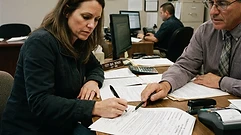
- The Agreement: You sign an indemnity agreement, which is a contract ensuring you understand the responsibilities of the bond.
- Posting the Bond: Once the paperwork is processed, the bondsman posts the surety bond with the court.
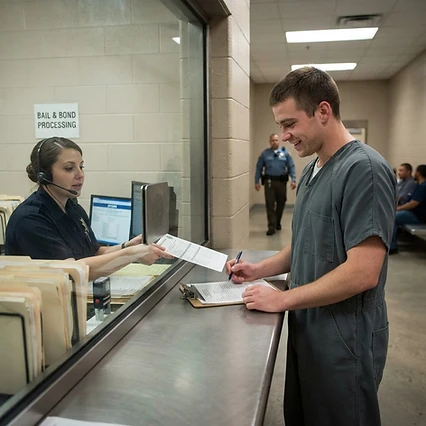
- Release: The facility processes the release paperwork. This timeframe can vary based on the jail's current capacity and staffing.
Common Pitfalls and How to Avoid Them
The biggest mistake families make is waiting too long to act. Every hour spent in jail is an hour of stress and uncertainty. Another common pitfall is misunderstanding the nature of the bond. A bail bond is not a fine—it is a guarantee. If the defendant fails to appear in court, the court can "forfeit" the bond, meaning the entire amount becomes due.
To protect yourself:
- Stay informed: Keep track of all court dates.
- Communicate: Ensure your loved one understands that skipping court will result in a bench warrant and the forfeiture of the bond.
- Work with Pros: Use a local, licensed, and reputable bondsman who knows the New Hanover County system inside and out.
What To Do Next
If you find yourself in the position of needing to secure a loved one's release, the most important thing you can do is reach out for guidance immediately. You need someone who understands the local Wilmington legal landscape and can act quickly to get the paperwork moving.
Do not let confusion or fear delay the process. At Off The Hook Bail Bonds, we specialize in helping families in Southeastern North Carolina navigate the complexities of secured bonds. We are available to answer your questions, explain the process clearly, and help you get your loved one back home where they belong.
For professional, compassionate, and local assistance, call our primary office at 910-232-3401. If you are calling outside of standard business hours, our 24/7 emergency line is always available at 910-983-2232. We are here to help you get through this difficult time.